
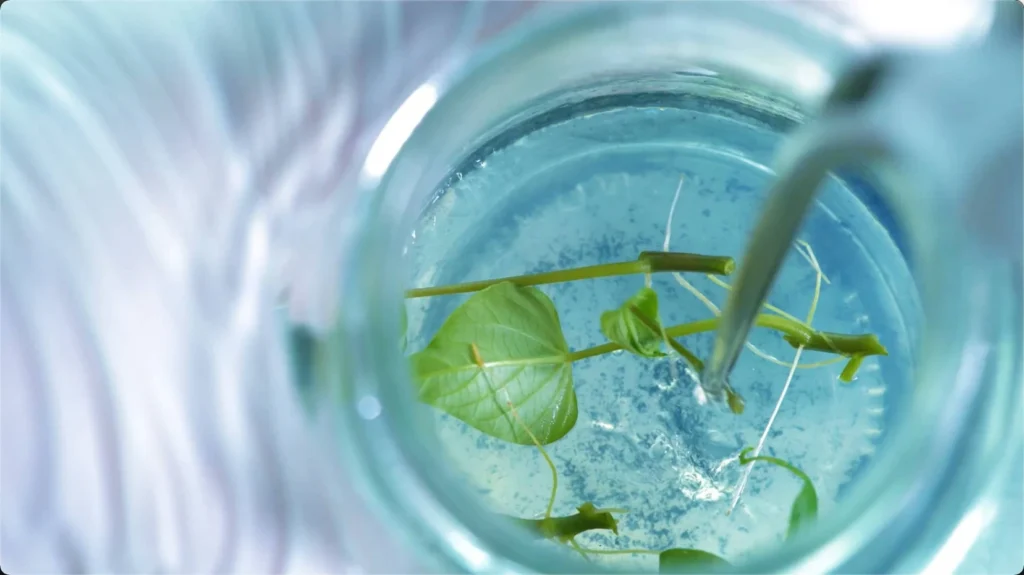
Virus-free seedling development is the starting point of the sweet potato industrial chain. By applying virus-free treatment to selected sweet potato varieties, the impact of viruses and diseases on seedling growth can be reduced, improving seedling health, uniformity, and propagation stability. Healthy seedlings provide a strong foundation for propagation, seedling cultivation, and large-scale planting, helping improve yield, appearance, sweetness, and processing suitability.
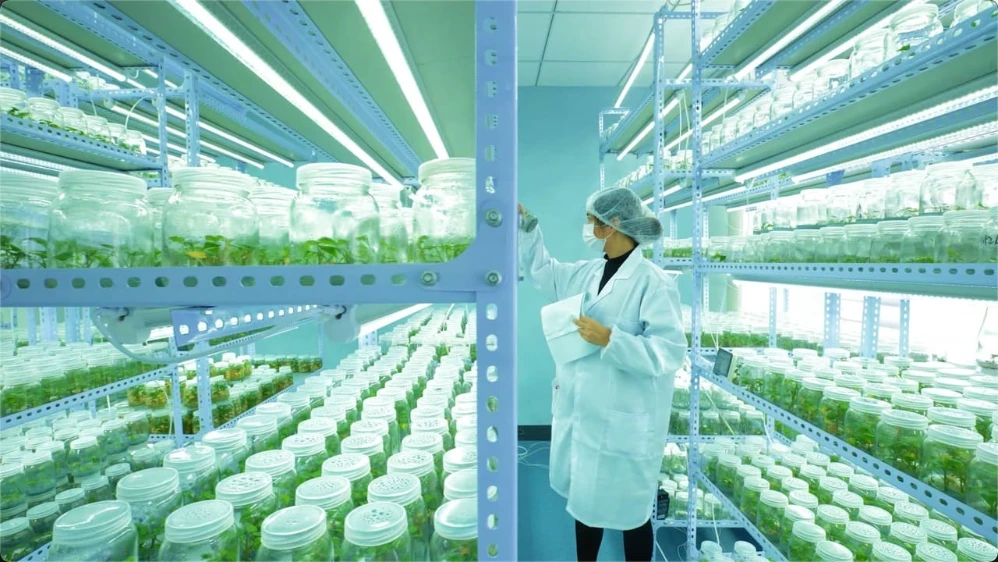
Propagation is a key step in multiplying virus-free quality seedlings on a larger scale. By scientifically managing temperature, moisture, light, and the growing environment, seedlings can remain strong and consistent. A stable propagation system ensures sufficient seedling supply, reduces variety degeneration and growth differences, and provides reliable support for seedling cultivation and large-scale planting.
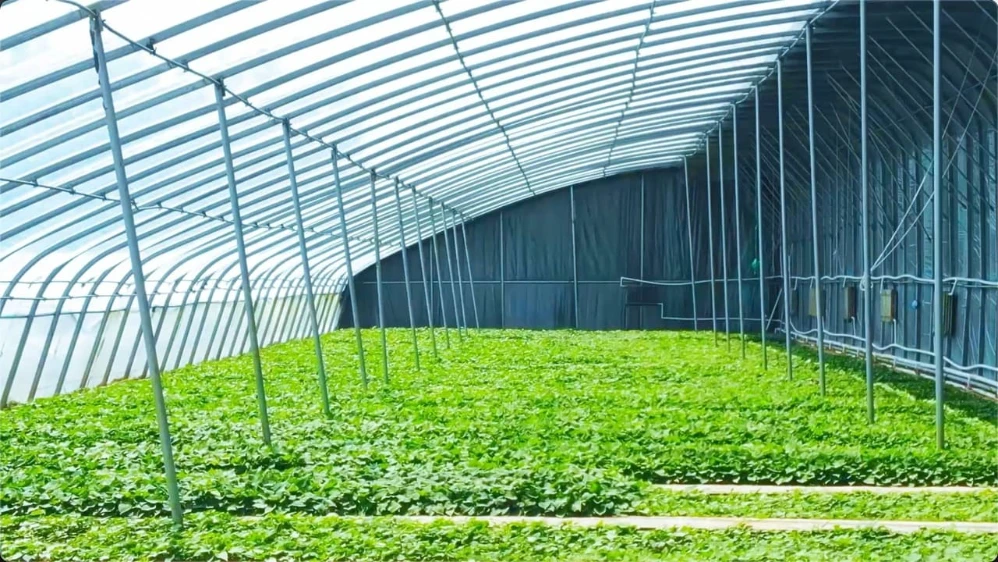
The seedling cultivation stage directly affects later field growth and raw material quality. We focus on nursery bed management, temperature and humidity control, water and nutrient management, and pest prevention to cultivate strong seedlings with developed roots and uniform growth. Healthy and consistent seedlings improve transplant survival rates, strengthen field growth, and support the production of high-quality sweet potato raw materials.
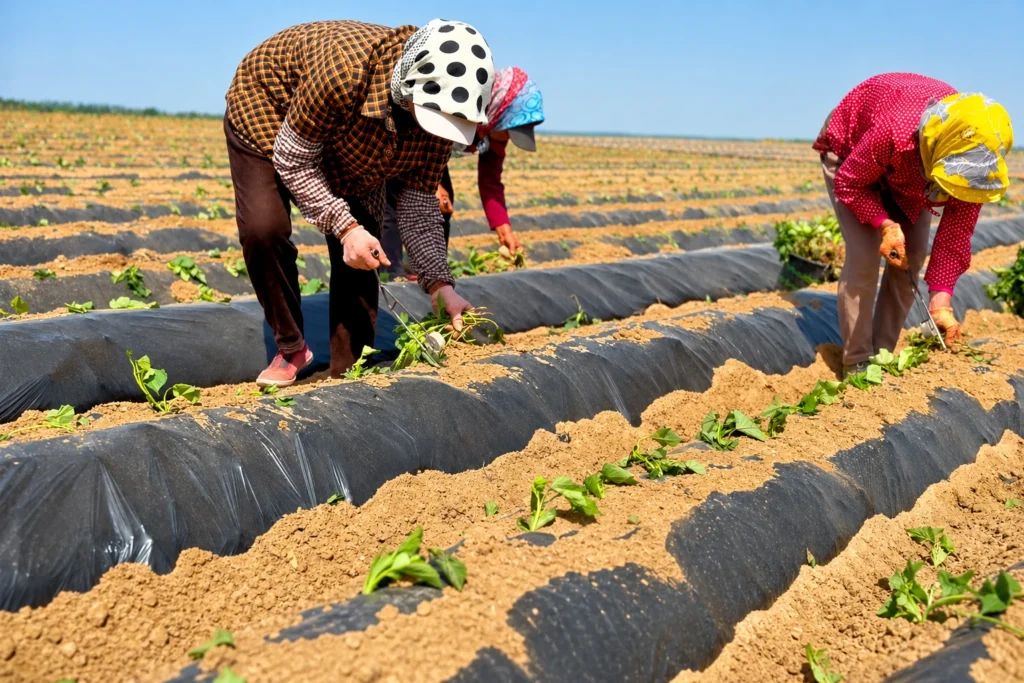
Planting is a key stage that determines the quality of sweet potato raw materials. Based on the growth characteristics of sweet potatoes, we manage planting density, irrigation and fertilization, field inspection, and pest control to ensure healthy growth in suitable conditions. Standardized planting helps improve size uniformity, sugar accumulation, color performance, and processing stability, providing quality raw materials for dried sweet potatoes, sweet potato strips, slices, and other products.
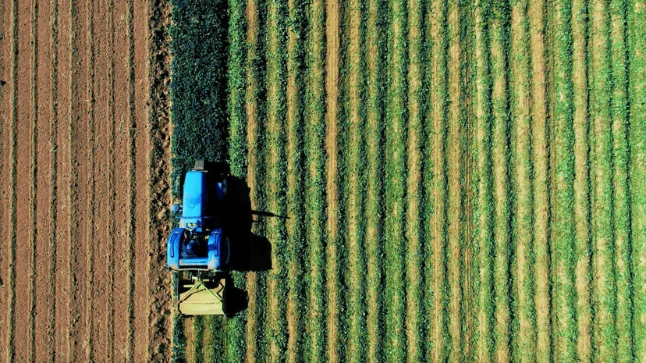
Harvest timing has a significant impact on sweet potato quality. We determine the proper harvesting time based on variety characteristics, growth cycle, weather conditions, and maturity to avoid quality loss caused by harvesting too early or too late. Timely harvesting helps preserve natural sweetness, a soft and starchy texture, and good appearance, while reducing mechanical damage and raw material loss, creating a stable foundation for storage and processing.
After harvesting, sweet potatoes require regulated storage to maintain raw material quality and processing stability. We focus on temperature, humidity, ventilation, and batch management to reduce spoilage, water loss, freezing damage, and quality fluctuations. Proper storage management extends the raw material supply period, keeping sweetness, texture, and freshness stable before processing, and supporting year-round production and order fulfillment.
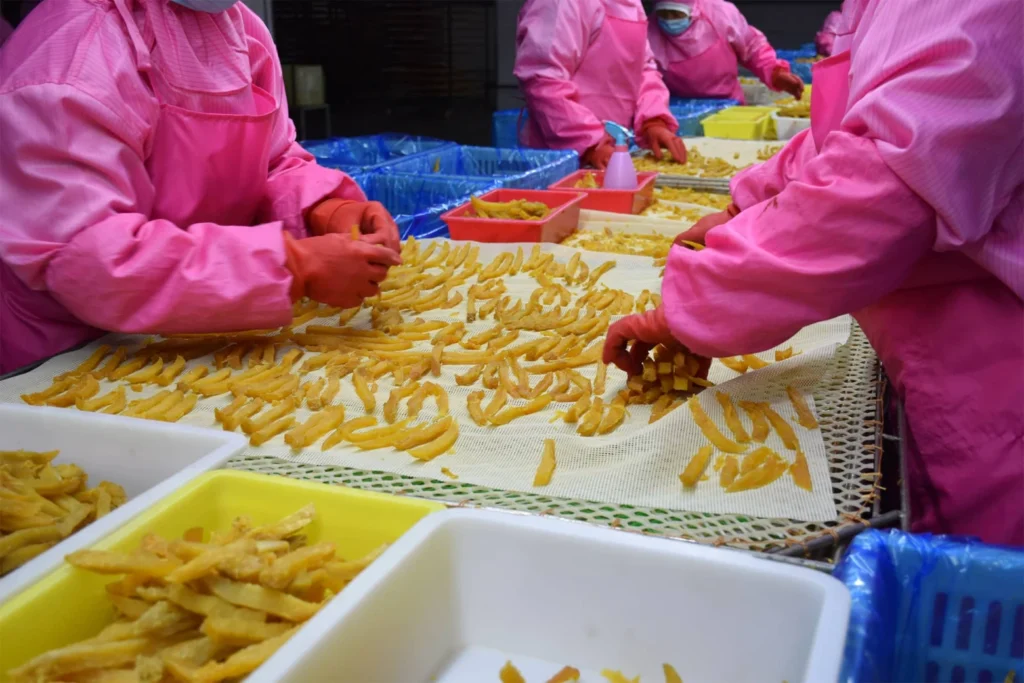
Processing is an important stage that enhances the value of sweet potatoes. According to product requirements, sweet potatoes go through standardized steps such as washing and sorting, steaming or roasting, cutting and shaping, low-temperature drying, manual selection, metal detection, packaging, and storage. By controlling moisture, texture, color, and taste, we produce dried sweet potatoes, roasted sweet potato strips, slices, chunks, and other products to meet the needs of supermarkets, e-commerce, wholesale, export, and OEM customization.
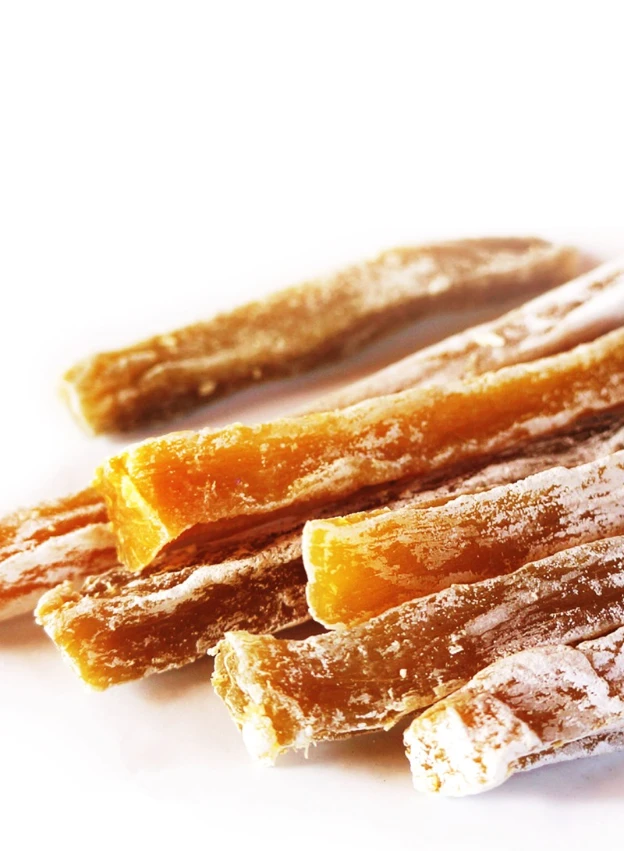
The sales stage connects production with the market. Based on different customer needs, we provide multiple cooperation models, including bulk wholesale, retail packaging, supermarket supply, e-commerce products, export, and OEM/ODM private-label customization. With stable production capacity, flexible specification options, and reliable delivery service, we help customers expand the sweet potato food market and bring healthy, natural, and delicious sweet potato products to consumers.